
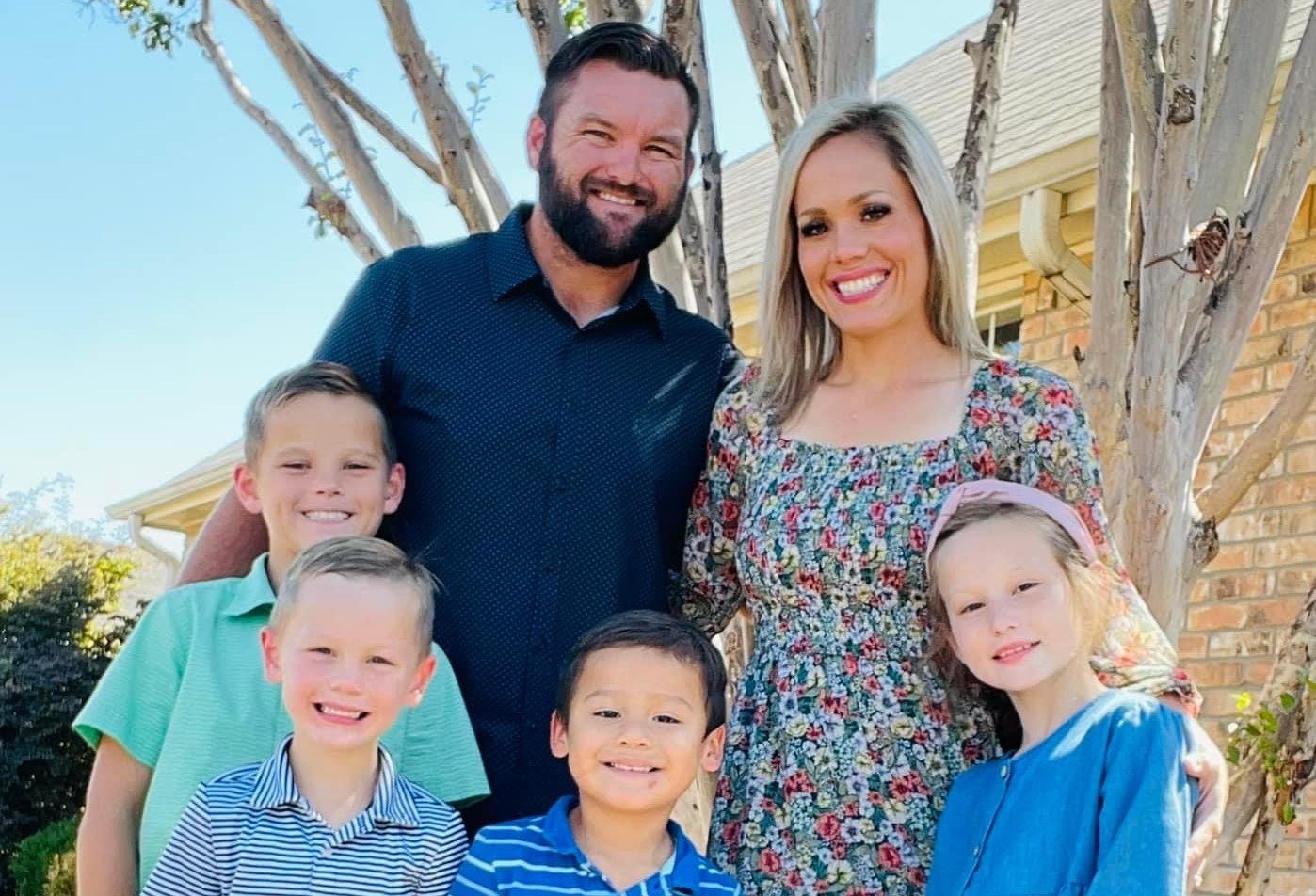
why the whitaker family draws so much attention
The internet has a way of amplifying stories quickly, often without context. Few examples show this more clearly than the ongoing fascination with the whitaker family. Short videos, comments, and reactions spread fast, and with that speed comes confusion. People search because they want answers. However, answers require patience, empathy, and facts. This article takes a careful approach to explain the background, clarify what is known, and separate reality from online assumptions surrounding the whitaker family.
Understanding who the whitaker family are
The whitaker family are not celebrities in the traditional sense. They did not seek fame, build brands, or pursue public attention. Their visibility emerged because others pointed cameras toward them. That difference matters. When discussing the whitaker family, it is essential to remember that they are private individuals living in a rural environment, shaped by circumstances rather than choice.
How the story entered public awareness
The public learned about the whitaker family primarily through online videos that circulated widely. These videos often focused on brief moments rather than full context. As a result, viewers encountered fragments rather than complete narratives. This partial exposure fueled curiosity and, in many cases, misunderstanding.
The danger of viral storytelling
Viral storytelling rewards shock and novelty. Subtlety and nuance rarely survive. The whitaker family became a subject of fascination because their circumstances appeared unfamiliar to many viewers. However, unfamiliar does not mean unreal or deserving of judgment. Understanding reality requires stepping beyond the algorithm.
Geographic and social isolation
One important factor in understanding the whitaker family is geographic isolation. Living in a remote rural area often limits access to healthcare, education, and social services. Isolation shapes daily life in ways that outsiders may not immediately recognize. This context helps explain behaviors that appear unusual when removed from their environment.
Health, genetics, and public assumptions
Online discussions about the whitaker family frequently involve speculation. Speculation is not fact. While genetics and health challenges can exist in any family, public diagnosis without expertise is harmful. Responsible discussion avoids labeling and instead acknowledges complexity. The whitaker family deserve the same dignity afforded to anyone facing health challenges.
Why online myths spread
Simplified narratives
Complex realities do not spread as easily as simple stories. The whitaker family became associated with simplified narratives that removed history and context. These narratives traveled faster than truth.
Emotional reactions
Strong emotional reactions drive sharing. Shock, pity, or disbelief often override critical thinking. This emotional momentum explains why myths persist.
Separating facts from assumptions
Facts about the whitaker family are limited because they have not chosen to document their lives publicly. What exists are observations filtered through third parties. Assumptions fill gaps when information is missing. Recognizing this gap is crucial.
Compassion as a starting point
Approaching the whitaker family with compassion changes the conversation. Instead of asking what is wrong, compassion asks what support looks like. This shift moves discussion away from spectacle and toward humanity.
The role of poverty and limited resources
Poverty shapes opportunities. Limited resources restrict access to healthcare, education, and advocacy. The whitaker family’s circumstances cannot be understood without acknowledging economic factors that affect many rural communities.
Media responsibility and ethical boundaries
Media ethics matter. Filming vulnerable individuals raises questions about consent, benefit, and impact. The whitaker family story highlights why ethical boundaries should guide content creation.
Public curiosity versus private life
Curiosity is natural. However, curiosity does not grant entitlement. The whitaker family did not invite public examination. Respecting privacy while seeking understanding is a delicate balance.
Why the story continues to resurface
The whitaker family reappear in online discussions because unresolved stories linger. Viewers want closure, clarity, or reassurance. Without official narratives, the internet fills the void repeatedly.
Cultural distance and misunderstanding
Cultural distance increases misunderstanding. Rural life, limited communication, and different social norms can appear strange to outsiders. Recognizing cultural distance reduces judgment.
Language barriers and expression
Communication styles vary widely. What appears as limited expression may reflect comfort, environment, or health rather than capability. Interpreting behavior through unfamiliar lenses often leads to misjudgment.
How stereotypes influence perception
Stereotypes simplify people into categories. The whitaker family have been subject to stereotyping, which strips away individuality. Challenging stereotypes restores humanity.
Ethical viewing practices
Viewers play a role in shaping online culture. Ethical viewing involves questioning sources, avoiding mockery, and resisting sensational framing. How people engage with the whitaker family story matters.
The impact of attention on vulnerable families
Attention can overwhelm. Sudden exposure affects mental health, safety, and stability. The whitaker family experience demonstrates why unintended attention can be disruptive.
What is actually known
What is known about the whitaker family remains limited and fragmented. They live in a rural setting. They face challenges related to isolation and resources. Beyond that, much of what circulates online is interpretation rather than confirmed information.
What is often misunderstood
Many misunderstandings stem from assuming intent, intelligence, or agency based on short clips. These assumptions ignore context and reduce complex lives to moments.
Why empathy matters more than answers
Empathy does not require full knowledge. It requires recognizing shared humanity. When discussing the whitaker family, empathy prevents harm even when information is incomplete.
The broader issue of online exploitation
The whitaker family story is part of a broader issue. Online platforms often reward content that features vulnerable individuals. This raises questions about who benefits and who bears the cost.
Lessons the story offers society
-
Question viral narratives
-
Protect vulnerable individuals
-
Prioritize dignity over curiosity
-
Understand context before judging
These lessons extend far beyond one family.
How search interest reflects public values
Search trends reveal what people care about. Interest in the whitaker family reflects concern, confusion, and sometimes misplaced fascination. Guiding that interest responsibly matters.
Responsible content creation
Creators who discuss the whitaker family should emphasize facts, avoid sensational language, and center respect. Responsible content builds trust rather than clicks.
Why silence can be respectful
Not every story needs full exposure. Silence can be a form of protection. Respecting the whitaker family’s limited public presence honors their autonomy.
Reframing the conversation
Reframing the conversation shifts focus from spectacle to understanding. The whitaker family are not a mystery to solve but people to respect.
The difference between awareness and exploitation
Awareness seeks improvement and support. Exploitation seeks attention and profit. Discussions about the whitaker family should aim for awareness, not entertainment.
Long-term impact of online narratives
Online narratives leave lasting digital footprints. Those footprints affect real lives. Thoughtful discussion reduces harm.
Why context changes everything
Context transforms perception. When context is added, behaviors make more sense. The whitaker family story illustrates this truth clearly.
Moving forward with responsibility
Moving forward means choosing careful language and respectful framing. Each discussion either reinforces harm or encourages empathy.
What the whitaker family story should remind us
It should remind us that not every visible life is public property. Privacy, dignity, and compassion remain essential values.
Conclusion: seeing reality with care
The whitaker family story is not a spectacle. It is a reminder of how easily reality can be distorted when context is removed. By focusing on background, facts, and reality, the conversation becomes calmer, kinder, and more accurate. Understanding does not require full access. It requires empathy. If this article helped clarify the situation and encouraged thoughtful reflection, consider sharing it or adding your perspective on why respectful storytelling matters online.















Leave a Reply