
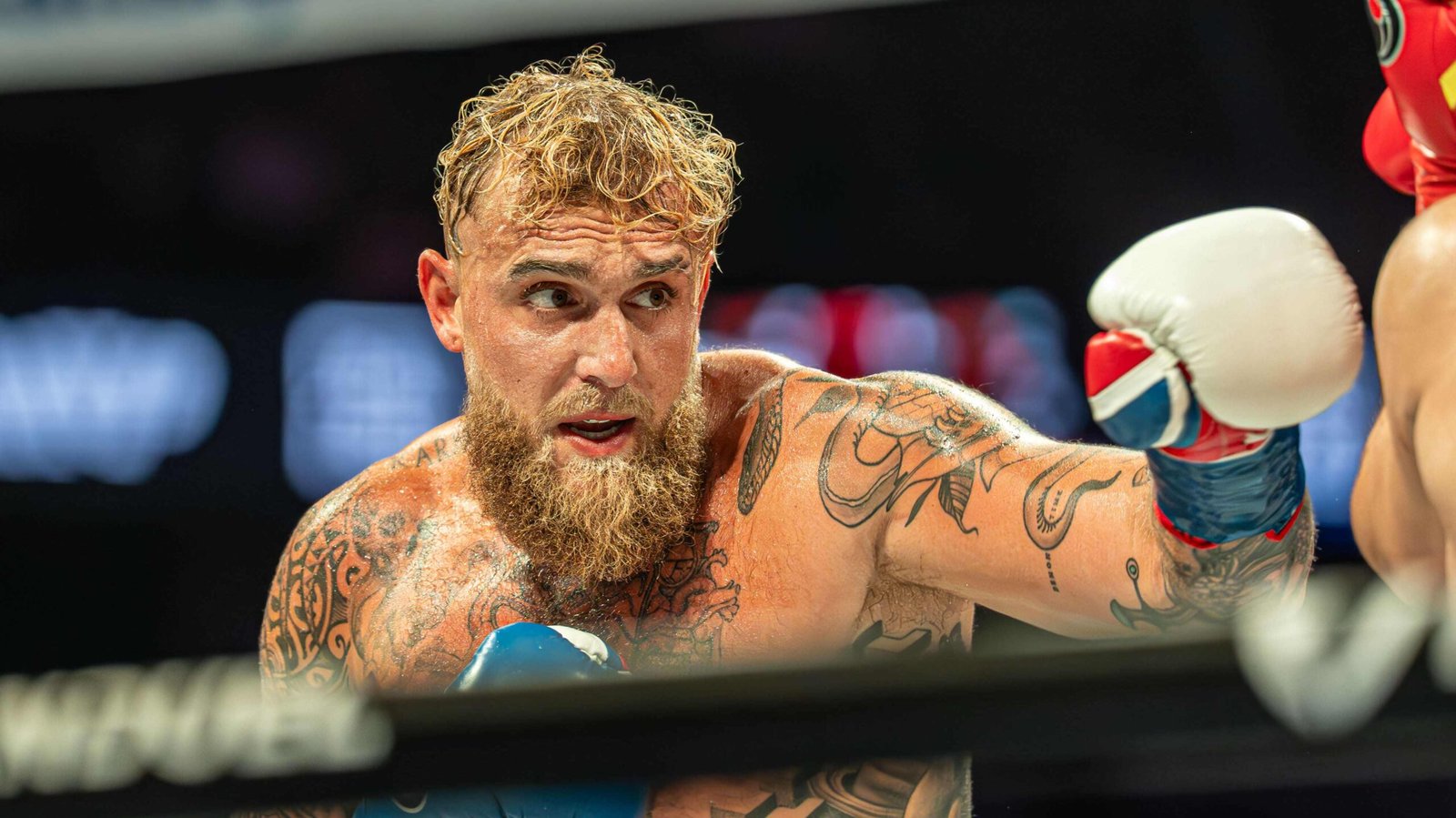
Jake Paul Fight Time: Exact Start Time & Viewing Guide
Fight nights have a rhythm. The lights dim, the undercard warms the crowd, and anticipation builds toward the main event. When Jake Paul headlines a card, that rhythm feels louder, faster, and more unpredictable. Fans tune in early, debates light up social feeds, and one question dominates the conversation: Jake Paul Fight Time. If you’ve ever asked when the ring walk actually happens, how long the undercard runs, or why start times shift, you’re not alone. This guide walks you through everything you need to know about Jake Paul fight nights, from scheduling expectations to viewing strategies, with context, opinion, and practical advice you can actually use.
Why Jake Paul Fight Time Matters More Than Ever
Jake Paul isn’t a traditional boxer, and that’s exactly why his fight schedule draws so much attention. His bouts blend boxing, entertainment, influencer culture, and pay-per-view hype. As a result, Jake Paul Fight Time searches spike hours before every event. However, the listed start time is rarely the moment fans care about most. What people really want to know is when Jake Paul steps into the ring. That distinction matters because undercards can run long or finish early, knockouts change schedules instantly, broadcasts adapt to audience demand, and time zones complicate global viewing. Moreover, casual fans and hardcore boxing followers approach fight night differently. Some want the full experience. Others only want the main event.
Understanding Official Start Time vs Main Event Time
What the advertised start time actually means
When promotions announce a start time, they are referring to the broadcast kickoff. This includes opening commentary, preliminary bouts, undercard fights, and analysis segments. This means Jake Paul Fight Time is never the same as the show’s official start.
When does Jake Paul usually fight?
Although times vary, Jake Paul typically walks to the ring several hours after the broadcast begins, following 4 to 6 undercard bouts, once co-main events conclude. Fight pacing depends on how earlier matches end. A series of early knockouts can push the main event forward, while long decisions can delay it.
Typical Jake Paul Fight Night Schedule Breakdown
While every event is different, most follow a familiar structure.
Common fight-night flow
Early prelims begin, main broadcast opens, undercard fights progress, co-main event takes place, Jake Paul ring walk, main event bout. This structure helps fans estimate Jake Paul Fight Time even without minute-by-minute confirmation.
How long do undercards usually last?
Undercards generally run between 2.5 to 4 hours, longer for stacked cards, and shorter if fights end early. Therefore, understanding the card depth matters just as much as knowing the headline attraction.
Jake Paul Fight Time Across Time Zones
Time zones are one of the biggest sources of confusion. Fans often see different times listed depending on location.
Why time zones complicate viewing
Promoters announce fight times based on the host country. However, international fans must adjust for local time differences, daylight saving changes, and broadcast delays. As a result, Jake Paul Fight Time searches often include phrases like “UK time,” “US time,” or “local start.”
General time zone expectations
Although exact times vary, Jake Paul main events usually fall into these windows: late evening in North America, early morning in parts of Europe, and midday or afternoon in Asia. Understanding this pattern helps viewers plan ahead without relying on last-minute updates.
What Influences Jake Paul Fight Time?
Event location
Venue location heavily impacts scheduling. A fight in Las Vegas differs from one in New York or overseas. Local regulations, crowd preferences, and broadcaster needs all play a role.
Broadcast partners
Streaming platforms and pay-per-view providers influence pacing. They may insert longer breaks, adjust timing for peak viewership, or delay ring walks to align with audience data.
Undercard outcomes
This factor is often overlooked. However, early finishes can move the main event forward significantly. In addition, medical checks and referee decisions may create unexpected pauses.
How to Never Miss Jake Paul’s Ring Walk
Missing the ring walk is a fan’s worst nightmare. Fortunately, there are ways to avoid it.
Smart viewing tips
Start watching at least one hour before expected main event time, track undercard results live, follow broadcast commentary cues, and avoid relying on social media rumors. Moreover, experienced viewers know that Jake Paul Fight Time is best treated as a window, not a fixed minute.
Jake Paul Fight Time vs Traditional Boxing Events
Jake Paul events feel different from classic championship nights.
Key differences
They have more entertainment-driven pacing, heavier focus on personality and promotion, younger, digital-first audience, and a hybrid boxing and spectacle atmosphere. However, despite the spectacle, the boxing rules and athletic demands remain real. This blend explains why fight schedules attract both boxing purists and new fans.
Why Jake Paul Fight Time Drives Massive Search Traffic
From an SEO perspective, Jake Paul Fight Time is a high-intent keyword. People searching it want immediate, actionable information. These users are ready to watch, emotionally invested, and actively planning their time. That urgency makes fight-time content especially valuable, shareable, and competitive in search rankings.
The Evolution of Jake Paul as a Main Event Attraction
Jake Paul didn’t become a headline name overnight. His fight timing reflects his rise. Early in his boxing career, he fought earlier in the night, cards were shorter, and expectations were lower. Today, he closes shows, cards are built around him, and fight night pacing revolves around his appearance. This evolution directly impacts Jake Paul Fight Time, as main events receive priority scheduling.
Public Reactions to Jake Paul Fight Scheduling
Fans tend to react strongly to timing changes. Common reactions include frustration when fights run late, excitement as ring walks approach, online debates about fairness, and memes about waiting through undercards. However, many viewers now accept delays as part of the experience.
Bio: Jake Paul
| Detail | Information |
|---|---|
| Full Name | Jake Joseph Paul |
| Date of Birth | January 17, 1997 |
| Age | 29 |
| Profession | Professional Boxer, Entrepreneur, Media Personality |
| Nationality | American |
| Net Worth (approx.) | $80–100 million |
| Notable Works / Achievements | Professional boxing wins, pay-per-view headliner, sports promotion ventures |
Jake Paul Fight Time and Viewer Psychology
There’s something psychological about waiting for a main event. The longer the buildup, the higher the emotional payoff. Jake Paul understands this better than most fighters. His entrances, pacing, and promotion are designed to maximize anticipation. As a result, Jake Paul Fight Time isn’t just scheduling. It’s part of the product.
How Promoters Use Timing to Build Hype
Promotions don’t randomly choose fight order. They analyze viewer retention data, drop-off points, and social engagement peaks. Jake Paul typically appears when viewership is highest. That strategy boosts advertiser value, pay-per-view buys, and media coverage. Therefore, delays aren’t accidents. They’re calculated.
Comparing Jake Paul Fight Time to Other Influencer Boxers
Influencer boxing has expanded rapidly. Yet Jake Paul remains the benchmark. Other influencer fights often start earlier, feature shorter cards, and lack consistent pacing. Jake Paul events, by contrast, follow professional boxing structures, making Jake Paul Fight Time more predictable despite hype-driven delays.
How Fans Can Prepare for Fight Night
Preparation enhances enjoyment. Recommended steps include clearing your schedule, understanding the card lineup, setting reminders, and managing expectations. Most importantly, treat the event as entertainment, not just a stopwatch moment.
The Future of Jake Paul Fight Time Trends
Looking ahead, fight scheduling may evolve further. Possible trends include more global-friendly start times, interactive broadcast elements, and flexible pacing based on live engagement. As Jake Paul’s boxing career matures, his fight nights may resemble traditional championship events even more closely.
Final Thoughts: Why Jake Paul Fight Time Keeps Fans Talking
At its core, Jake Paul Fight Time represents more than minutes and seconds. It reflects how modern sports blend competition, storytelling, and digital culture. Jake Paul has changed how people watch boxing. His fight nights are events, not just matches. Understanding the timing helps fans enjoy the experience instead of stressing over it. If you’ve followed a Jake Paul event before, you know the wait can be part of the thrill. If you’re new, now you’re prepared. Share your thoughts, debate the pacing, and join the conversation. Fight night is always better when fans show up informed and ready.







Leave a Reply